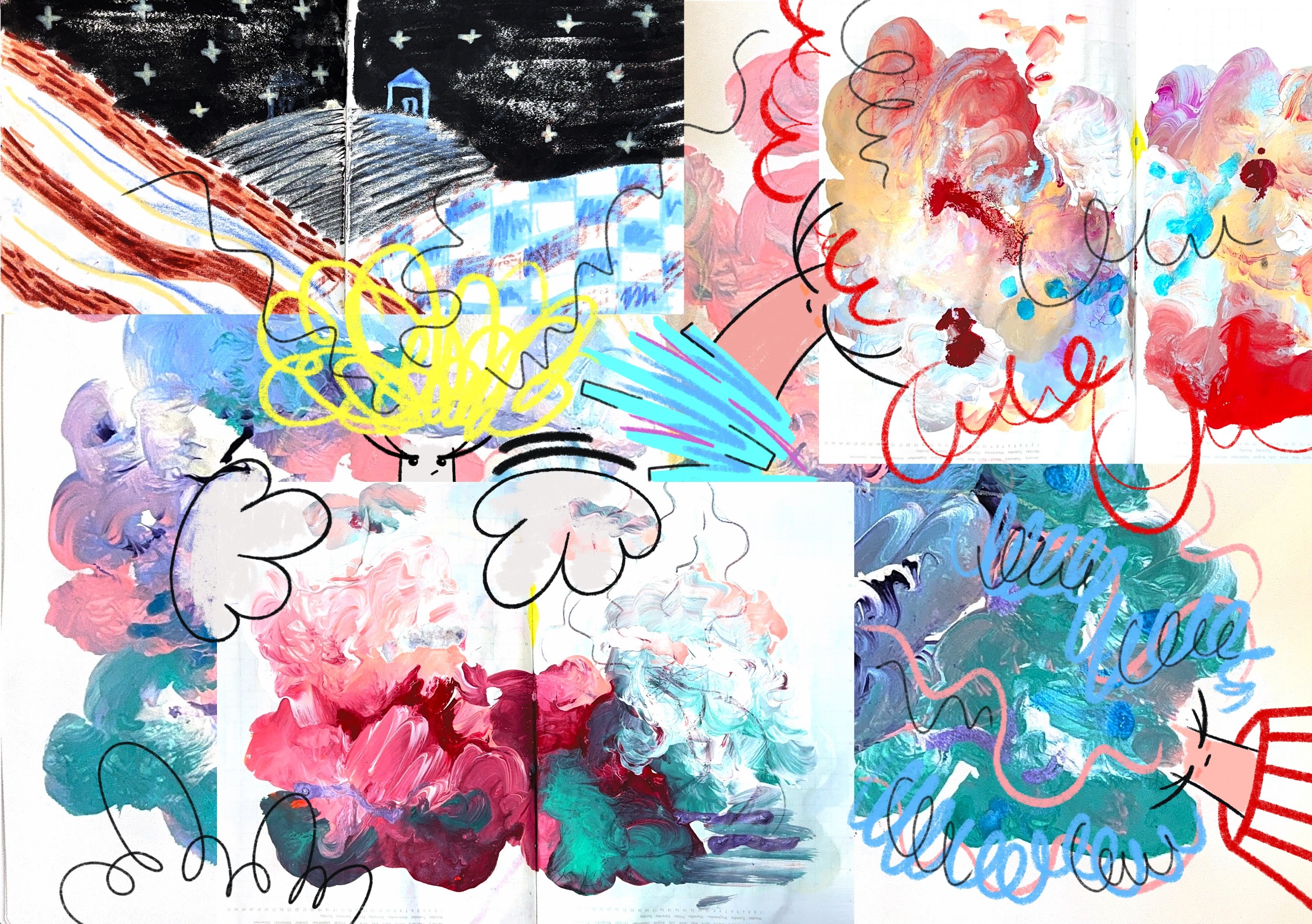
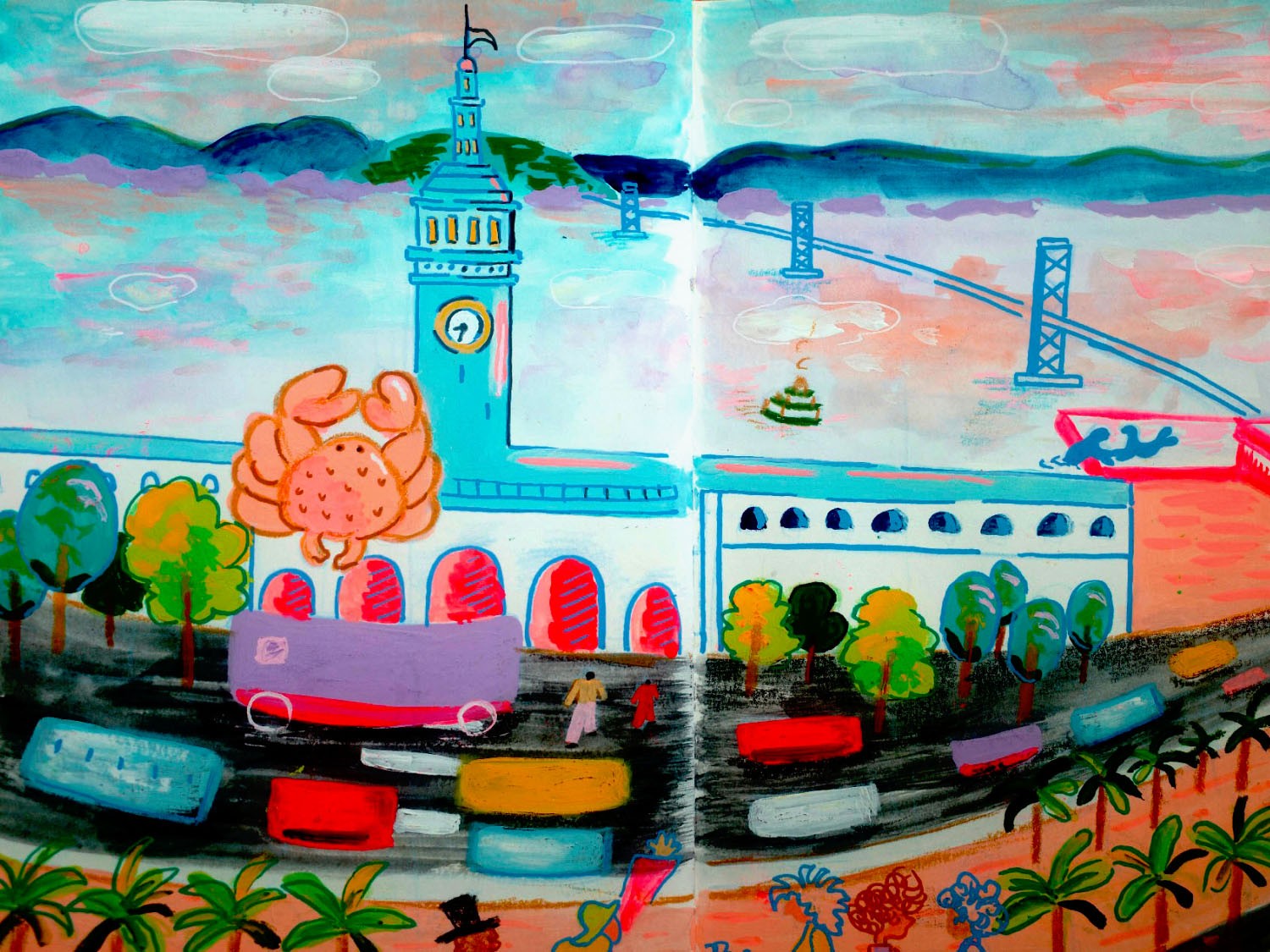
On Paper, From Scratch. Why I Refuse To Start With AI
Sketchbook
•
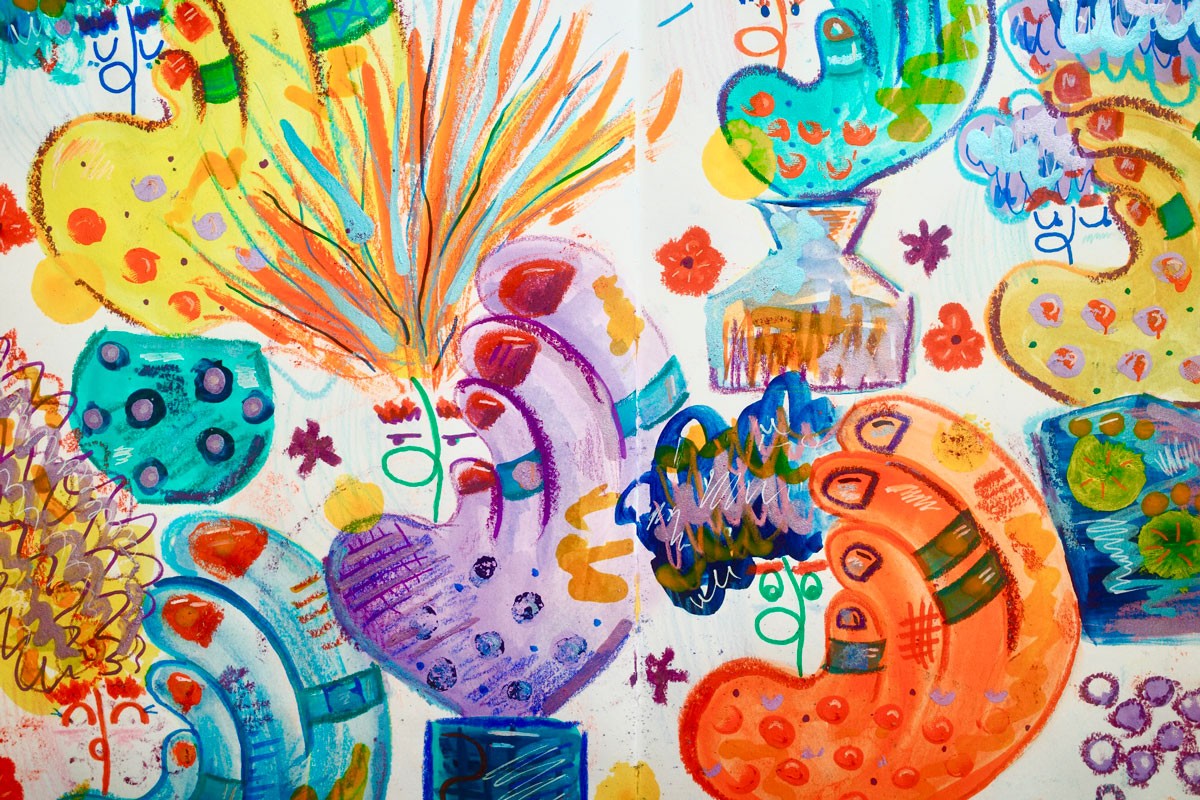
In my practice, developing a new illustration style from scratch has nothing to do with digital tools, mind mapping, or brainstorming with AI to aid my own imagination. I don’t browse Pinterest in search of ideas, I don’t use trends as creative direction. My illustration styles unravel on empty sketchbook pages. When devices are off, and I’m left alone with my thoughts. With my pencils. In silence.
This is the way I’ve been doing it since I flirted with illustration while working as a UI designer. The way I’m still choosing despite tech-forward discourse in many design communities. The way I believe to be the most honest and true to my personal artistic taste and vision. The way I refuse to apologize for because it doesn’t fit into trends and beliefs around the future of creative professions.
Now, I do use Figma to map-out iterations on my drawings and outline directions the style can take. Both, to organize my thoughts and present to clients. But this step comes after I sketch it out a lot and enough to find the essence my style will keep throughout those edits. And when I map it out, I work with pictures and scans of my drawings. Created on paper. From scratch.
Only when the style direction is decided I take my sketches to Procreate to iterate further and introduce more colors, textures, and movement. Because of the work I do before, nothing that comes out of this step feels sudden or surprising. It’s refining of what I created originally. On paper. From scratch.
(I’m not saying anything revolutionary here, it’s been a common sequence for many illustrators for years, tools may vary).
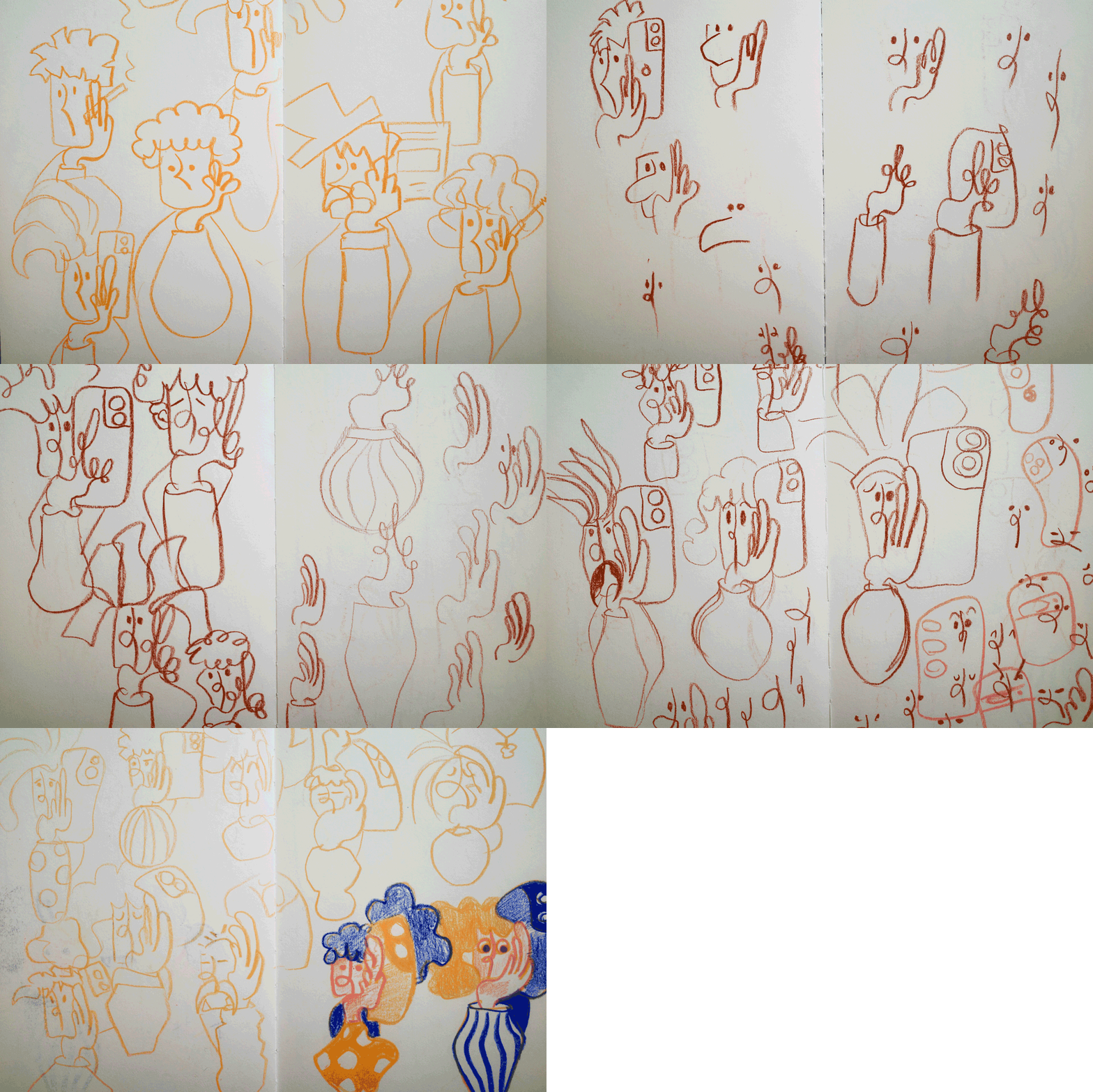
So, why am I writing about this very common process and repeating “on paper” “from scratch” like a broken record machine?
Because today, a lot of my colleagues in design and illustration are pushed to use AI to create their first prototypes. To generate a big scope of ideas quickly to save time. To curate and organize. To separate the design process from individual artistry and craft. To outsource human imagination.
While it does work for some people, I personally see this yet another push to justify investments in AI as betrayal. Not only because we’re being asked to voluntarily flatten ourselves and adapt the very human disciplines to the needs of technology and corporations that profit from it. But also because this approach redefines creativity by misplacing its origins from humans to machines.
When we outsource the process of creation to AI from the very first steps, we’re conditioning ourselves to build upon some average idea that’s being generated based on stolen datasets of existing human work. The current argument in defense of this practice focuses on creativity that comes along with any future edits performed by a human.
(That, and an increasingly popular misinterpretation of “fair use”).
I struggle to understand this creativity though because when designers reshape and refine what was generated by AI, it's essentially heavy editing sauced with questionable ethics. I don't disagree that curation and judgement are creative acts, but I disagree with the framing of AI being the next execution tool in line with paper and pencil or Procreate.
Why? Because Procreate executes the intention while AI generates options.
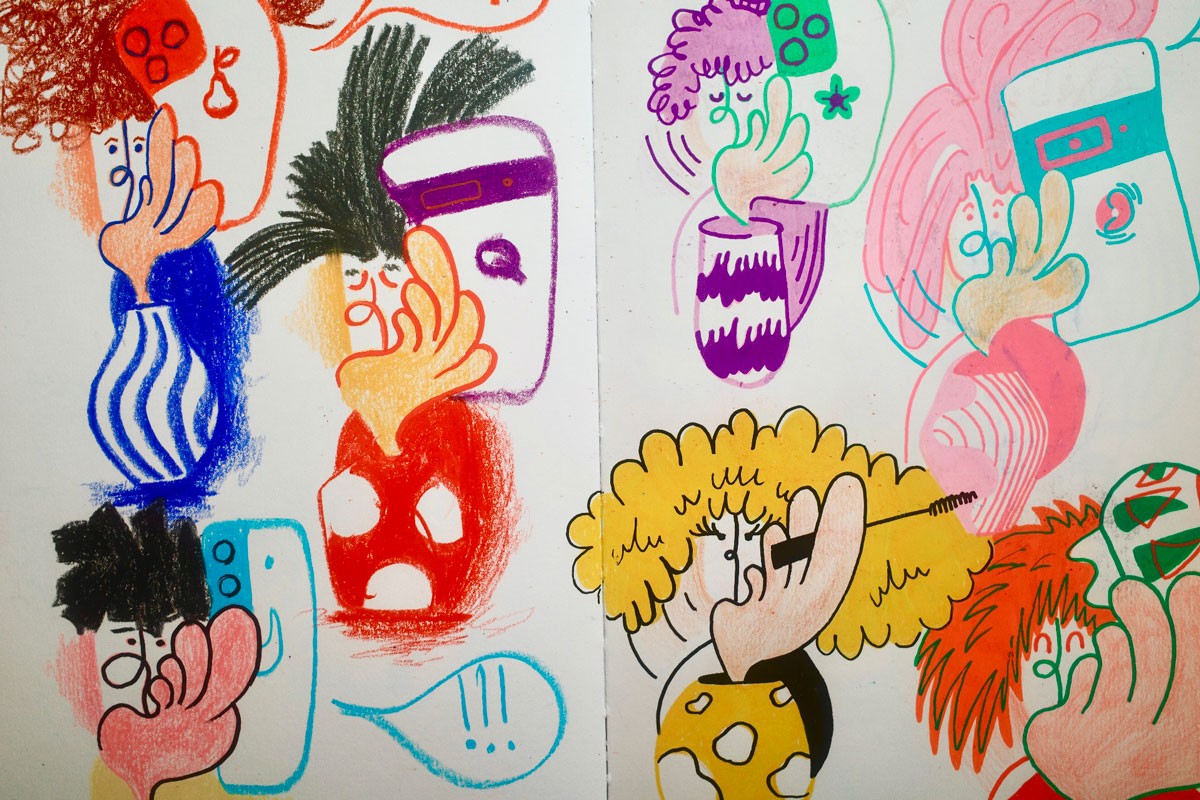
When the core of creativity moves from making to choosing it's not only a completely different cognitive activity, but also a problematic one. The "humanness" that designers try to achieve when starting with AI is still the humanness that comes out of unlicensed training data. Calling the output authentic because it was edited based on someone's personal taste and professional expertise is wrong because this output wouldn't exist without unconsented contributions of every creative whose work was scraped.
I profoundly disagree with the way this shift in creating from scratch is being served specifically because of the ethics behind it. When Adobe created Photoshop, they didn't create it on the bones of numerous design portfolios. They came up with the tools that mimicked traditional process and adapted them to work on a digital canvas. Now, I do have a lot of questions to Adobe's recent developments and pricing models, but the way they abuse creative professionals is slightly less evil.
That said, I do understand that my ethics is not the same as someone else's ethics. I understand that illustration differs from product design. I understand that AI models improved in the past two years. I also understand that a lot of creative professionals do their best to find balance between what industry preaches, what managers ask for, and what is possible to achieve based on a walking dead kind of prototype.
But if this is to become a new golden standard for global creative practice, I don’t understand how we’re supposed to preserve our skills as creators and ever come up with anything new and original.
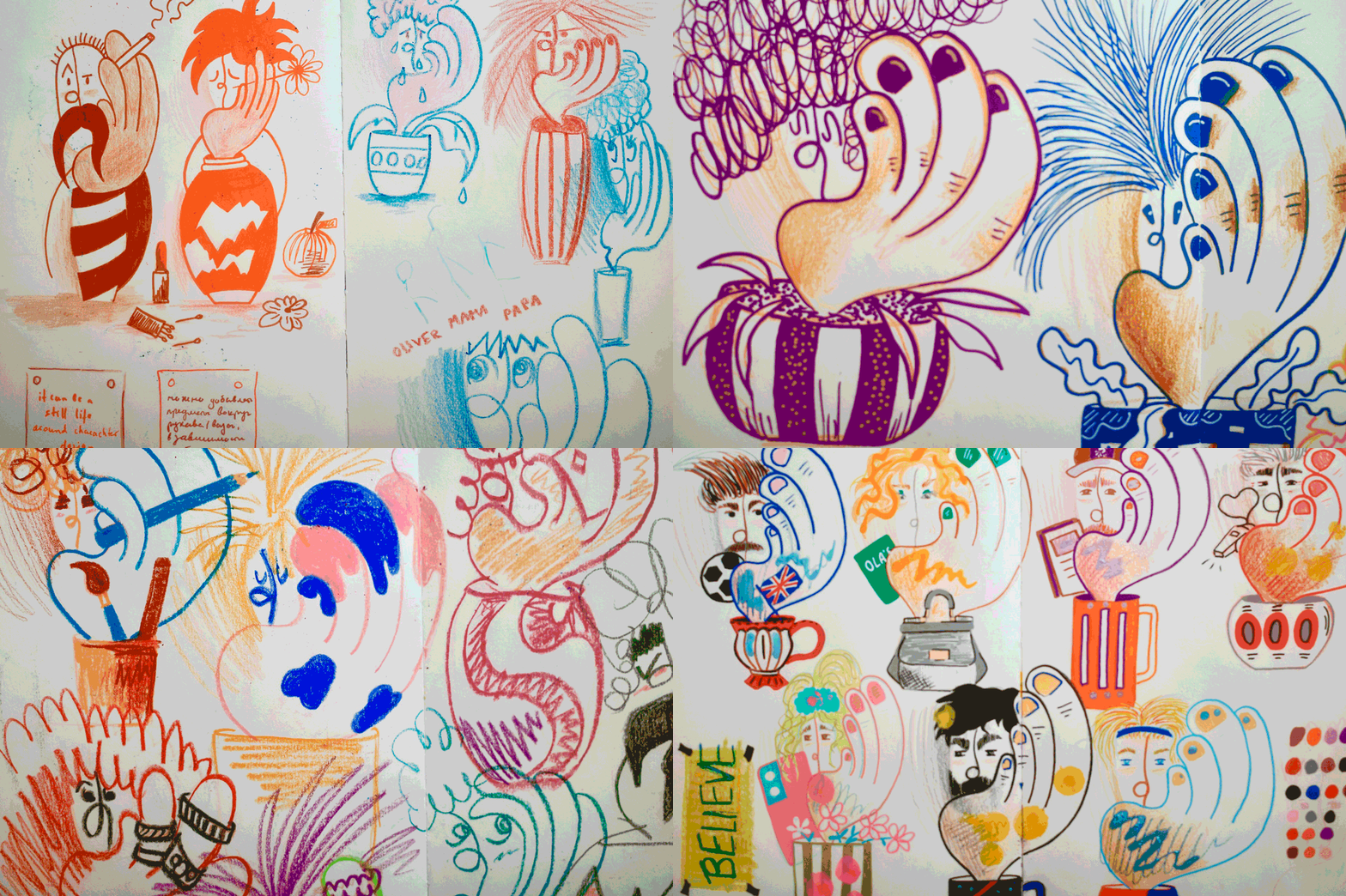
Now, it’s true that pre-AI not every designer possessed inner genius to slay it in terms of uniqueness. However, starting the process from within and being hands-on made more room for exploration that could lead to potentially interesting things. Sketching mistakes could open new angles. Makers were way more connected to the thing they were making and much more accustomed to think for themselves.
Indulging in plagiarism was a choice made by either an individual professional or a company/client they worked for.
Right now, it feels like no choice at all. When we start with the bones produced by AI, we become automatically complicit. We generate a thing that only exists because tech leaders made a choice to take without asking. When we start with AI, we give big tech a green light to continue justifying the destruction they bring to people’s livelihoods. We empower them to continue compromising the very nature of human creativity.
The reason I develop my illustration styles on paper from scratch is because I don’t want to willingly participate in the suffocation of my own profession. Because I don’t want to be complicit. Because I don’t give my support to unethical tech. Because I want to improve and grow as an artist. Because I want for my illustrations to mirror my personality. Because I want to bring in my experience and knowledge.
But most of all, I want to create my illustrations with the same joy and wonder I expect someone else to experience when interacting with them.
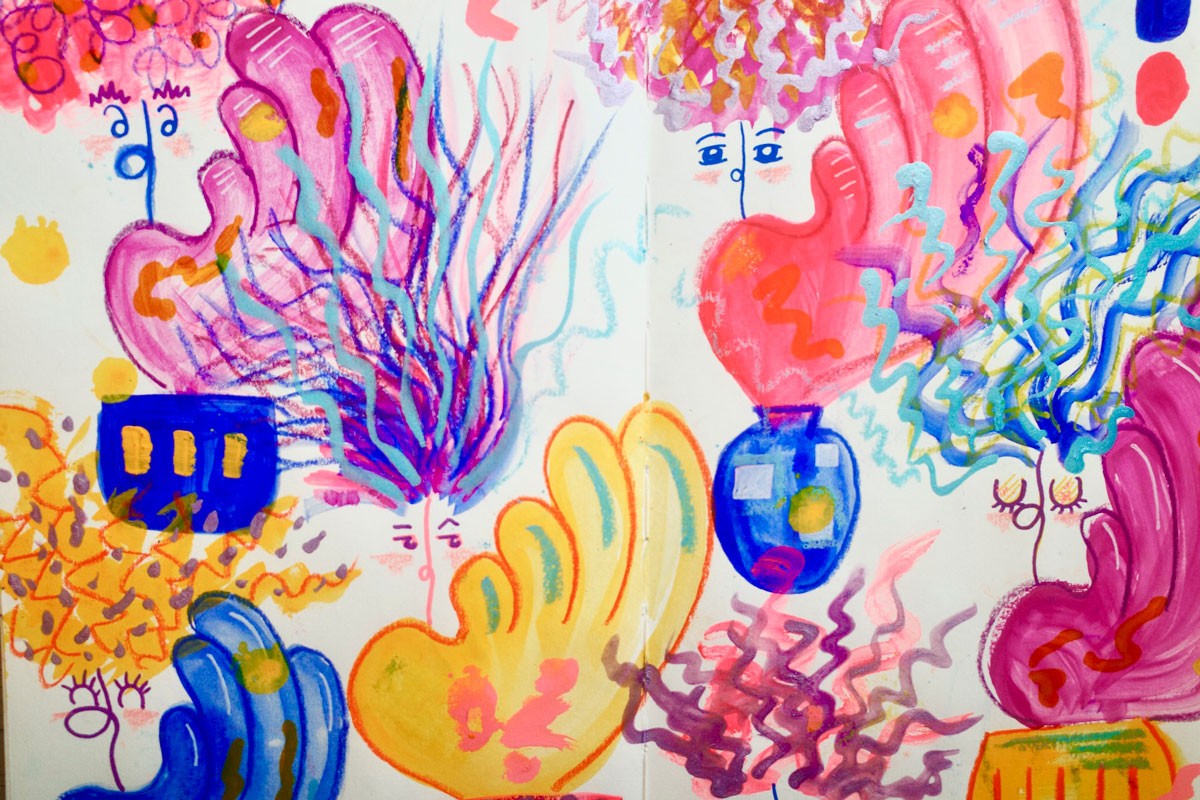
I want for my characters to feel alive, and for them to feel alive, I have to be present. I have to use my own imagination. I have to turn off the devices. I have to reach inwards and connect with the person that I am in that moment. Inspired or tired. Distracted or focused. Excited or sad.
I have to channel it all into my sketches. Infuse them with emotions. Give them humanity. Because my very own humanity is what makes me an illustrator I am. Because my very own humanity is my biggest gift of all.
But also, I don’t want to automate. I don’t want to be fast. I don’t want to generate. I just want to create. With my hands. On paper. From scratch. And not feel like I’m fighting for my life by making this seemingly obvious choice to remain.
Human.
Thank you for reading.
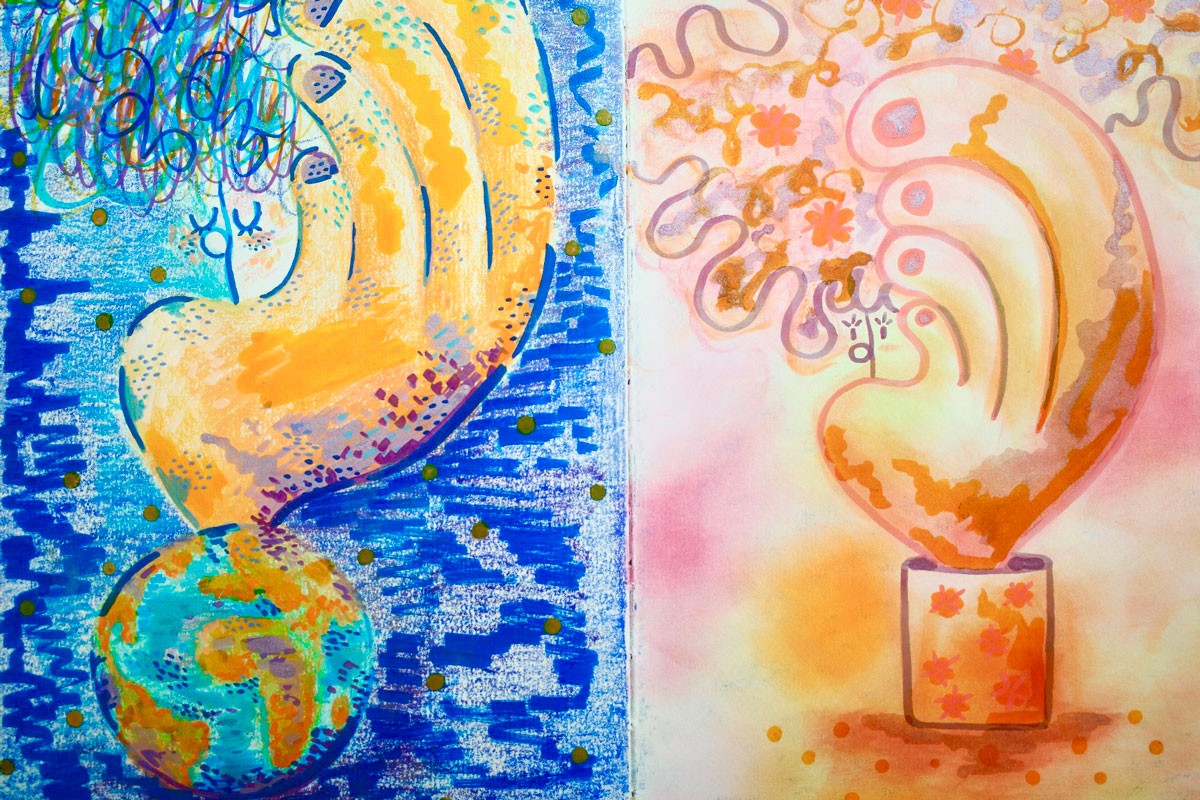
Share
Copy link